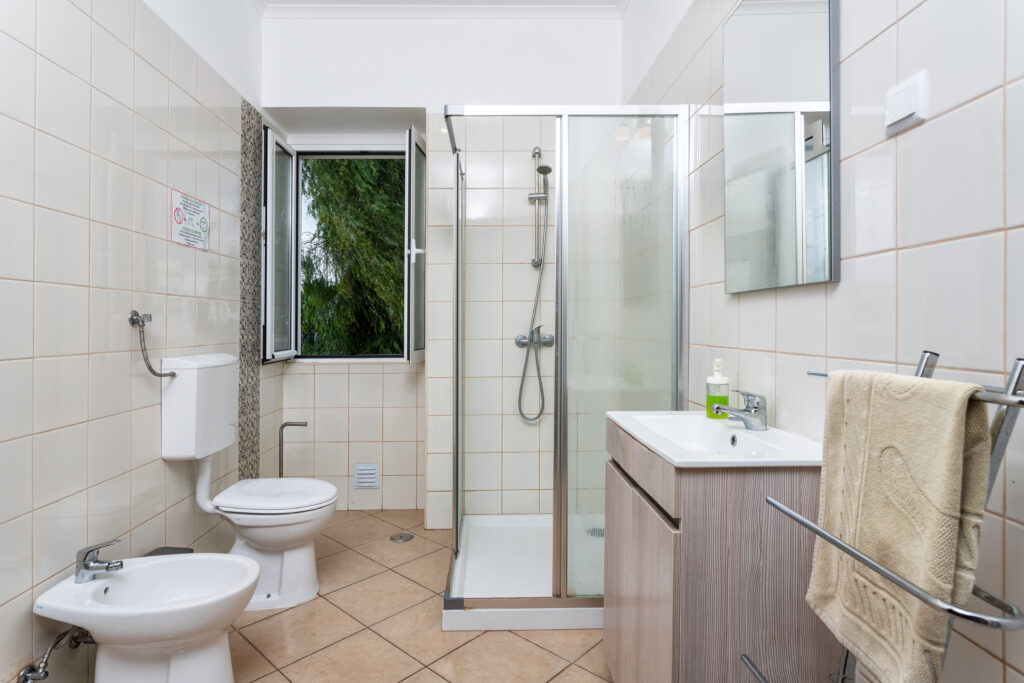
Picking between a walk-in shower and a tub-to-shower conversion comes down to how you live and what your bathroom looks like today. Both options swap out an aging tub for something easier and safer to use. They just take different paths to get there. The right pick depends on your space, your habits, and how much remodeling you want to take on.
- Walk-in showers work best in mid-size or larger bathrooms where you have room to build a more open, custom design.
- Tub-to-shower conversions fit inside an existing tub footprint, making them faster and friendlier on the wallet.
- Both upgrades raise safety, lower the entry threshold, and give an outdated bathroom a fresh look.
A Quick Look at Each Option
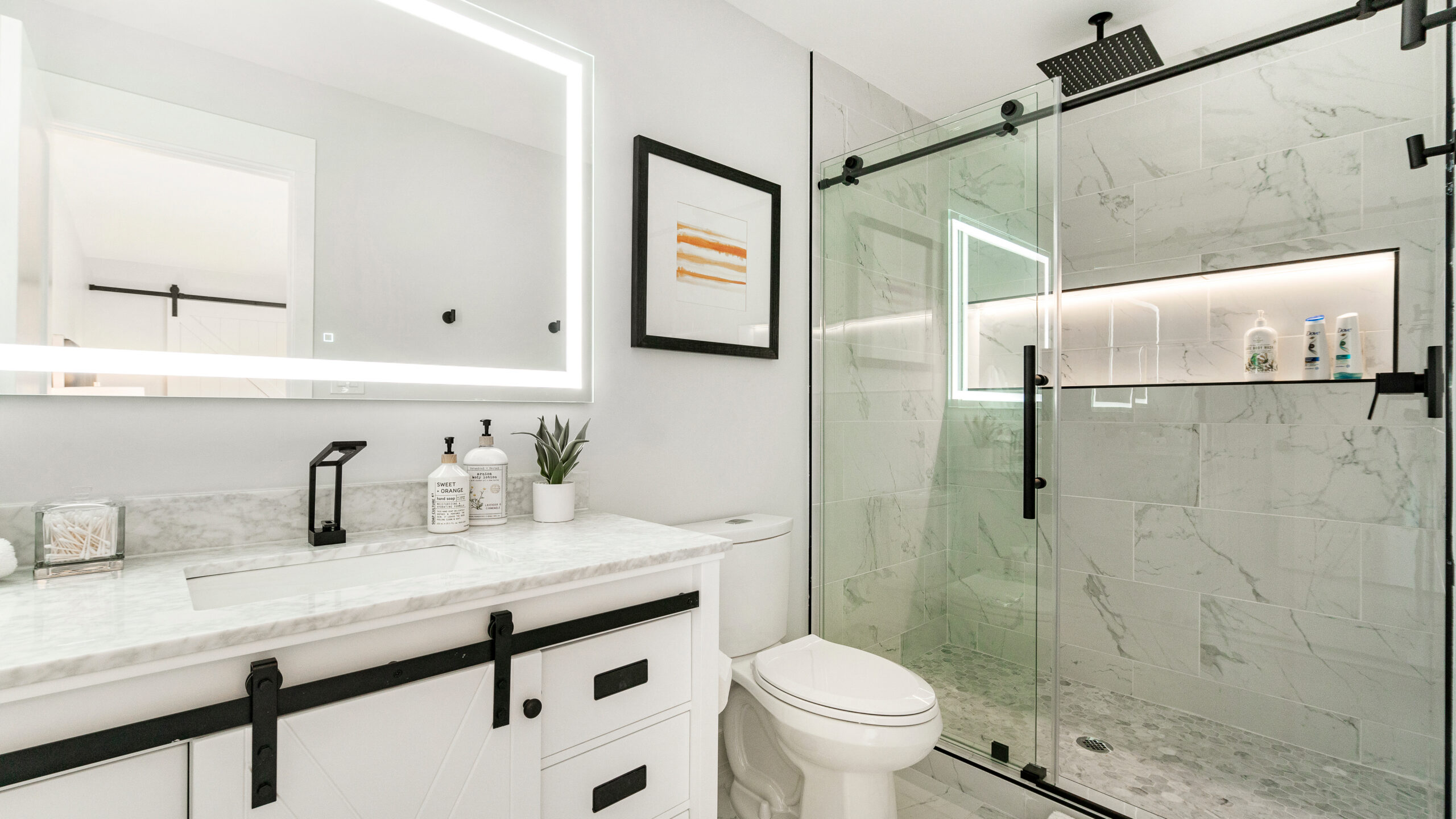
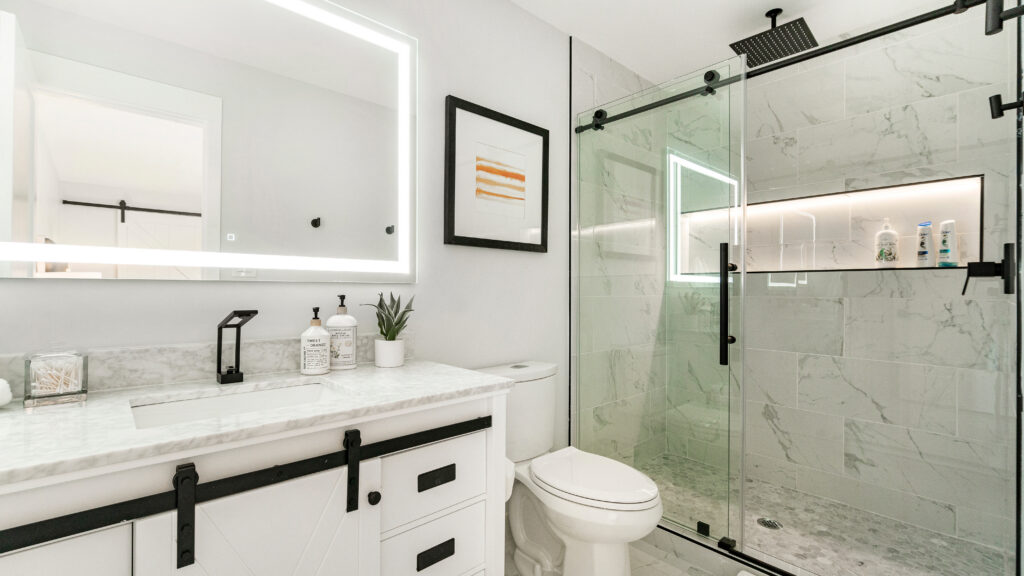
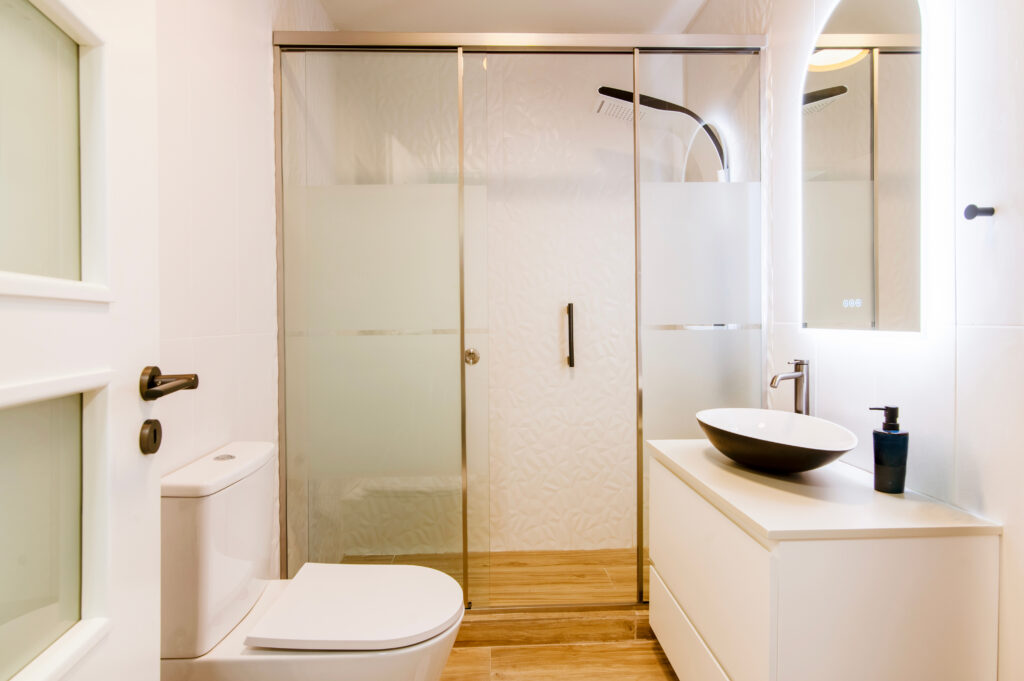
A walk-in shower is built from the ground up as a shower. It often has a low or zero threshold, glass walls, and plenty of room to move around. Many feature a built-in bench, more than one shower head, and a curbless entry. They tend to take up more floor space than a standard tub spot. That makes them a popular pick when you have a mid-size or larger bathroom to work with.
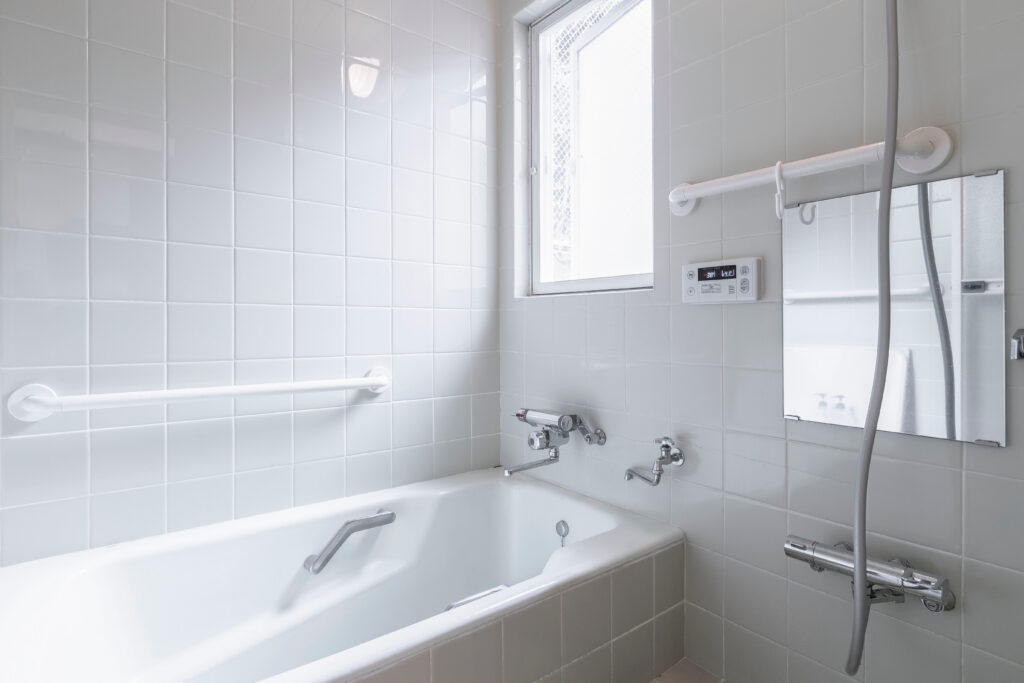
Tub-to-shower conversions are exactly what they sound like. Out goes the old bathtub, and in goes a brand-new shower in the same spot. The footprint stays the same. Plumbing stays close to where it was. And the whole project wraps up faster.
When a Walk-in Shower Makes Sense
Larger bathrooms give you room to play with. With square footage to spare, you can build something closer to a spa retreat. Picture a 5-foot-wide enclosure with a built-in bench, frameless glass, and a rain head overhead.
This option also fits well if you’re already planning bigger remodeling work. When walls are coming down and floors are being redone, expanding the shower footprint folds neatly into the budget. Older homeowners thinking about aging in place often pick this route too. A curbless entry handles wheelchairs and walkers without a hitch.
Real estate agents often suggest keeping at least one tub somewhere in the home. If another tub stays elsewhere, a custom walk-in shower in the main bath still adds resale appeal.
Where a Tub-to-Shower Conversion Shines
For homeowners with a tighter budget or a smaller bathroom, this is often the smartest move. It uses the space you already have and reuses most of the existing plumbing. With the right team on the job, it can wrap up in as little as a day or two.
Homeowners who almost never use their tub find this route handy. Industry data shows the typical American shower runs 8 to 12 minutes. That uses far less water than filling a tub. Scrubbing soap scum off an unused tub means paying maintenance taxes on something you don’t use.
Walk-in Shower vs. Tub-to-Shower Conversion at a Glance
Putting a walk-in shower vs. tub-to-shower conversion side by side, the differences boil down to three things. Bathroom size, install scope, and how you use the space day to day. The chart below maps it all out.
| Comparison Point | Walk-in Shower | Tub-to-Shower Conversion |
|---|---|---|
| Best Bathroom Type | Mid-size to large primary bathrooms with room to expand | Smaller bathrooms or any space with an underused tub |
| Footprint | Often expands past the original tub area | Fits inside the existing tub footprint |
| Install Time | Several days to a week or more | Often wrapped up in a day or two |
| Project Cost | Typically higher, especially with custom design | More budget-friendly, reuses existing plumbing |
| Accessibility | Excellent, with curbless or zero-threshold options | Very good, low-threshold entry replaces the tub wall |
| Resale Impact | Strong appeal in primary baths if a tub remains elsewhere | Practical upgrade buyers appreciate, especially in secondary baths |
| Ideal Homeowner | Wants a spa feel, plans to age in place, or is doing a full bath remodel | Wants a faster, lower-cost upgrade and rarely uses their existing tub |

A Few Things to Think About Before You Decide
Ask yourself how long you plan to stay in the home. If this is your forever house, lean into what makes daily life easier and more enjoyable. Planning to sell soon? Talk with a local real estate pro about what buyers in your neighborhood expect.
Storage matters too. Built-in tubs offer ledges for shampoo and soap. A shower needs recessed niches or corner shelves added in. A solid contractor will plan those into the design from day one.
Picking the Path That Fits Your Routine
This choice comes down to how you use your bathroom. People who love long soaks and have the room are smart to keep a tub somewhere in the house. Others rarely use the tub. They prefer the speed of a shower and want a roomier daily experience. That first group often leans toward a custom walk-in shower in the main bath. The second group makes a perfect candidate for a tub-to-shower conversion. It clears out the unused tub without rebuilding the whole bathroom.
See Both Options at Bath Planet of Bowling Green
At Bath Planet of Bowling Green, we install both walk-in showers and tub-to-shower conversions across Southern Kentucky. Our team starts with a free in-home design consultation. We walk through your space and listen to how you use the bathroom. We carry over 20 wall patterns and colors, five hardware finishes, and plenty of accessories. Add grab bars, built-in benches, and recessed shelves to put together a shower that fits your style and routine. Most installs wrap up in a day or two with our no-mess guarantee. Every product is backed by a limited lifetime warranty. Whether you want a roomy walk-in shower or a quick tub swap, we’ll help you map out the right path for your home.