

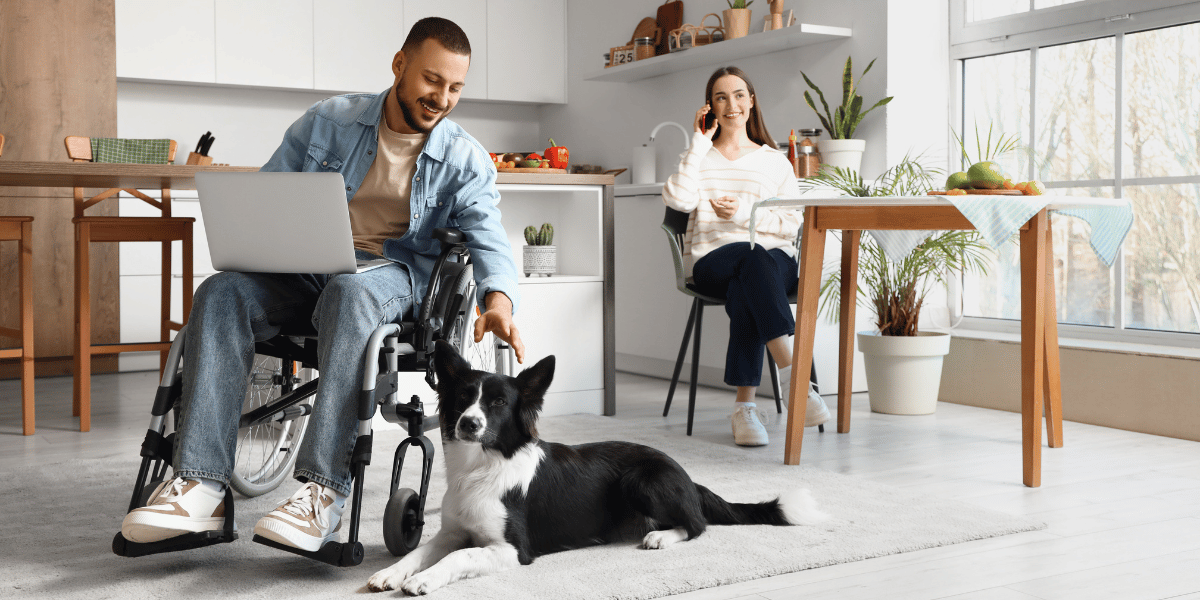
Making a home safer and easier to get around shouldn’t feel like a guessing game. Whether you’re preparing for aging in place, recovering from an injury, or helping a loved one with mobility needs, the right modifications can turn an everyday house into a space that actually works for everyone who lives there.
- Some handicap-accessible home improvements, like swapping doorknobs for lever handles or adding non-slip mats, are easy weekend projects you can tackle on your own.
- Bigger renovations like walk-in showers, widened doorways, and wheelchair ramps often require licensed contractors who understand building codes and ADA guidelines.
- Bathrooms are the most accident-prone rooms in the house, and getting those modifications right is too important to leave to trial and error.
Small Changes That Make a Big Difference
You don’t need a construction crew to start improving accessibility at home. Plenty of modifications fall squarely in the DIY category, and they can have a real effect on daily life. Replacing round doorknobs with lever-style handles takes about ten minutes per door and makes a world of difference for anyone with arthritis or limited grip strength. Toss in some motion-activated lights for hallways and bathrooms, and you’ve already cut down on a few common fall risks.
Removing throw rugs is another no-cost fix that’s easy to overlook. Those rugs might look nice, but they’re a tripping hazard for anyone using a walker or wheelchair. Swap them out for low-profile, non-slip mats where you need them, and clear the rest. Rearranging furniture to widen pathways through living areas is free, too, and it can make getting around in a wheelchair far smoother.
Where Handicap-Accessible Home Improvements Get Tricky
There’s a clear line between swapping out a doorknob and tearing into a bathroom wall. Handicap-accessible home improvements that involve structural or plumbing work call for a contractor who knows accessibility standards, local building codes, and structural requirements. Widening a doorway to at least 32 inches sounds simple enough, but if that wall is load-bearing, you’re looking at potential structural problems if the work isn’t done correctly. The same goes for building a wheelchair ramp with the right slope, drainage, and railings. A poorly built ramp can be more dangerous than the stairs it replaced.
Walk-in tub installations and tub-to-shower conversions sit firmly in the “call a pro” column. These projects involve plumbing, waterproofing, and sometimes electrical work. A roll-in shower with a zero-threshold entry needs precise grading so water drains properly and doesn’t pool on the bathroom floor. Grab bars might seem like a quick DIY job, but the ones you’re counting on for real weight support need to be anchored into wall studs or blocking. Drywall alone won’t hold.
DIY vs. Professional Contractor Breakdown
Not sure which projects you can handle and which ones need a pro? This chart breaks it down.
| Project | DIY Friendly? | Needs a Contractor? | Why? |
|---|---|---|---|
| Lever-style door handles | Yes | No | Simple swap using existing screw holes |
| Non-slip mats and treads | Yes | No | Peel-and-stick or lay-flat application |
| Motion-activated lighting | Yes | No | Battery or plug-in options need no wiring |
| Furniture rearrangement for wider paths | Yes | No | No tools required |
| Removing throw rugs and trip hazards | Yes | No | No tools required |
| Toilet safety frames (freestanding) | Yes | No | Clamps around toilet, no drilling needed |
| Grab bars (stud-mounted) | Maybe | Recommended | Must hit wall studs for safe weight support |
| Threshold ramps (portable) | Yes | No | Pre-made rubber or aluminum, just set in place |
| Permanent wheelchair ramp | No | Yes | Requires proper slope, railings, code compliance |
| Widening doorways | No | Yes | May involve load-bearing walls and framing |
| Walk-in tub installation | No | Yes | Plumbing, waterproofing, and electrical work |
| Tub-to-shower conversion | No | Yes | Plumbing rework, drainage, and waterproofing |
| Roll-in / barrier-free shower | No | Yes | Zero-threshold grading, drain placement, tile work |
| Stair lift installation | No | Yes | Electrical wiring and structural mounting |
| Lowering countertops and cabinets | No | Yes | Plumbing and structural adjustments needed |
Bathrooms Deserve Extra Attention
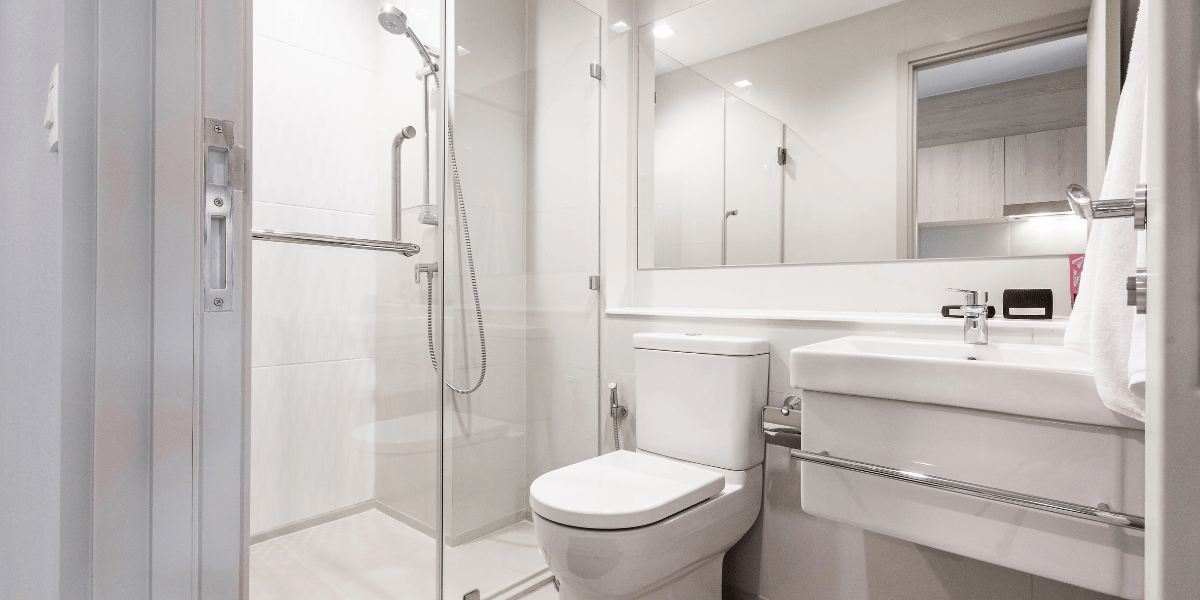
Most in-home accidents happen in the bathroom. Wet floors, tight spaces, and the physical demands of getting in and out of a tub make it the highest-risk room in the house. That’s why bathroom accessibility projects carry higher stakes than swapping out a light switch. A walk-in tub or barrier-free shower needs to drain correctly, seal against water damage, and support a person’s full body weight on grab bars and benches. One shortcut during installation can lead to leaks behind walls, mold growth, or worse, a fall caused by a loose fixture.
If you’re planning any bathroom modification that involves plumbing or structural changes, get a contractor with hands-on experience in accessibility remodeling. Look for professionals who carry the Certified Aging-in-Place Specialist (CAPS) designation from the National Association of Home Builders, or who work with manufacturers that specialize in accessible bath products.
Where to Start First
Start with the modifications that affect daily safety the most. For many people, that means the bathroom and the home’s main entry point. Can you get in and out of the house without climbing stairs? Can you use the shower without risking a fall? Those two questions usually point you toward your first projects. From there, move to everyday convenience items like lever handles, better lighting, and cleared pathways. Spreading the work out over a few months keeps costs manageable and lets you adjust your plan as you go.
See What’s Possible at Bath Planet of Bowling Green
If your bathroom is the room that needs the most work, we’d love to help. At Bath Planet of Bowling Green, we specialize in walk-in tubs, barrier-free showers, and tub-to-shower conversions built with safety and accessibility in mind. Our installations typically wrap up in as little as one to two days, so you won’t be living around a construction zone for weeks. Every product is backed by a limited lifetime warranty and made from durable acrylic that resists mold and mildew. We also offer flexible financing options to fit different budgets. Visit us at our Bowling Green showroom to see the options in person and talk through what would work best for your home.